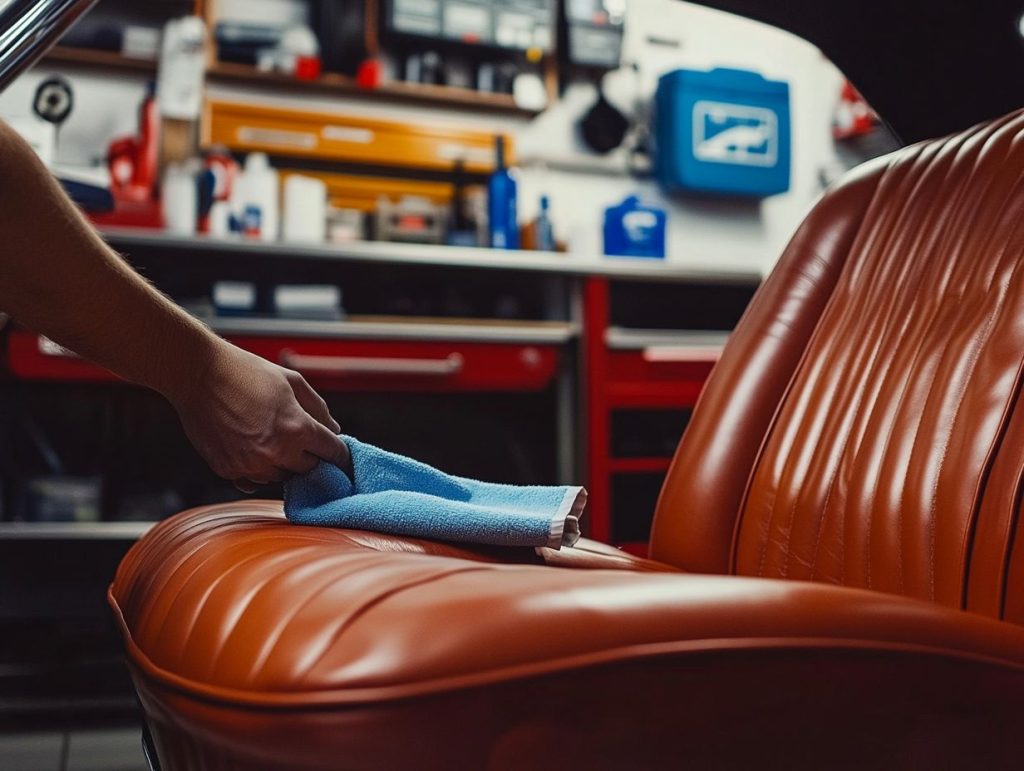
I’ve cleaned everything from muddy estate cars to Bentleys fresh off the forecourt. But do you know what still makes me hesitate for a second? Those sleek, shiny metal trims in luxury interiors. One wrong move, and you’re left with a fine scratch that catches the light just enough to ruin the look. If you’ve ever owned or cleaned a high-end motor, you’ll know the pain. It doesn’t take much—a ring, a cheap cloth, even a bit of grit stuck to your sleeve. That’s why knowing how to clean them properly is a must.
Whether you drive a Merc in Mayfair or a Range Rover in Regent’s Park, here’s how to get those brushed aluminium, polished chrome, or satin-finish trims gleaming without leaving a mark.
Why Metal Trim Needs Special Care
What Makes It So Easy To Scratch?
The metal bits inside your car might look tough, but they’re actually quite delicate. Brushed aluminium tends to show every rub mark. Chrome picks up fingerprints and can lose its shine fast. Satin-finished metals are even worse—they smudge and scuff just by looking at them the wrong way.
The problem isn’t just the surface itself, but what we bring to it. Dust acts like sandpaper. Wipe it the wrong way and you’ll end up with swirls. Same goes for using a cloth that’s seen better days or spraying product straight onto the trim. Most of the damage I see in clients’ cars has come from people trying to clean things “quickly”.
The Cost Of Getting It Wrong
Luxury car interiors don’t come cheap, and repairs cost more than you’d expect. A scratched trim piece might not look like much, but replacing it—especially in a Range Rover or an Audi—can run into hundreds. I once saw someone pay over £400 just to swap a single centre console trim in a Bentley. And if you’re planning to sell or trade in, little scratches will knock down the value quicker than you can say “I only used a baby wipe”.
What You’ll Need – Safe Tools For The Job
Microfibre Cloths – The Right Ones
Start with the right cloth. And I mean proper microfibre, not a worn-out rag from under the sink. Go for ones with a high GSM (grams per square metre). Anything above 300 is decent, 500+ is even better. Avoid cloths with stitched edges—those seams can scratch.
Get into the habit of using different cloths for different areas. The one you use on your wheels should never go near your dashboard. And always wash them without fabric softener—it ruins the fibres.
Products To Avoid Like The Plague
Do not—I repeat, do not—reach for that all-purpose kitchen spray. Household cleaners are made for worktops, not your £80k motor. Avoid anything acidic, bleach-based, or gritty. Abrasive pastes might polish your tap, but they’ll ruin satin-finish trim in seconds.
I’ve seen people use toothpaste, vinegar, even Brasso. Please don’t. Save yourself the headache.
What Actually Works – Safe Cleaners For Metal Trim
You want a pH-neutral interior cleaner, preferably one labelled safe for metal, plastic, and piano black. Autoglym’s Interior Shampoo is a solid option. So is Koch Chemie’s MultiInteriorCleaner. Both available online or at Halfords. Apply the cleaner onto the cloth, not straight onto the trim. You’re after control, not chaos.
Step-By-Step – Cleaning Metal Trim Without Scratching It
Step 1 – Remove Loose Dirt And Dust
Start with a soft detailing brush or even a hand-held blower to shift any loose dust. Don’t just rub it in. One sweep with a dirty cloth and you’re dragging tiny grit particles across the surface.
I use a round, goat-hair brush for vents and tight edges. Cheap and gentle.
Step 2 – Gentle Wipe Down With Damp Microfibre
Lightly dampen a fresh cloth with water or cleaner. Never soak it. You’re wiping, not washing. Work in small sections and keep your motions light. Think of it like polishing glasses—you wouldn’t press hard on those, would you?
Dab the cleaner onto the cloth first. That way, you’re not spraying it where it can drip into buttons or electrics.
Step 3 – Buff To A Shine Without Pressure
Once the dirt’s gone, grab a dry, plush microfibre and buff gently. No need to press. Let the cloth do the work. For brushed aluminium, stick to straight-line motions that follow the grain. For glossy metal, small circular strokes are fine.
Resist the urge to keep going over and over the same spot. Once it’s clean and dry, stop.
Step 4 – Inspect Under Different Lighting
This might sound fussy, but trust me—scratches show up in odd light. Open the car door and move your head around a bit. Check how the light hits the trim from different angles. It’s a good habit and it means you’ll catch any missed spots before they become a problem.
Common Mistakes London Drivers Often Make
Using Baby Wipes Or Kitchen Sprays
They seem harmless, right? Quick wipe and done. But most wipes are full of alcohol or surfactants that aren’t made for delicate finishes. I’ve seen trim go dull within weeks from regular use. Don’t let convenience cost you in the long run.
Rushing The Job
I get it—London life’s full on. You’ve barely got time to park, let alone deep-clean. But rushing it means pressure, missed dust, and poor results. Take ten minutes and do it properly. You’ll thank yourself when it still looks pristine six months down the line.
Forgetting The Air Vents And Trim Rings
Tiny details matter in a luxury car. The trim around vents, gear selectors, or control dials often gets skipped. These are fingerprint magnets. Use a small brush and a tiny bit of cleaner to get into those awkward spots.
Keeping It Clean – How To Prevent Future Damage
Protective Coatings For Interior Metal
Interior coatings aren’t just for paintwork. Some companies now offer ceramic-style products for interior metal. They help repel dirt and make wiping easier. Gtechniq’s C6 Matte Dash is one we use for some clients—safe on metal and plastic.
In London, lots of mobile detailers offer this as an add-on. Worth it if you want that just-detailed look to last.
Gloves, Watches, And Sharp Accessories
Sounds a bit extra, but hear me out—rings and watches scratch more than anything else. If you’re doing a proper clean, take them off. I once had a client with a diamond bracelet that left a deep gouge in her door handle trim. She had no idea how it happened. Spoiler: it was her bracelet.
Weekly Maintenance Tips
Once it’s clean, keeping it clean is easy. A weekly wipe with a damp, clean microfibre is enough. Don’t let fingerprints and dust build up. Keep a mini spray and cloth in your boot or glove box, especially if you’ve got kids or eat on the go.
Is It Worth Calling A Pro?
When To Consider Professional Help
If the metal’s already scratched or looking tired, it might be worth getting a professional detailer in. We’ve got machine polishers and safe compounds that can revive trim without replacing it.
In London, a full interior detail (including all trims) usually costs between £120 and £200, depending on the car and who you hire.
How To Choose The Right Detailer In London
Ask questions. Don’t go with the cheapest quote. Make sure they’ve worked on luxury interiors before. Check reviews, and ask what products they use. A good detailer will happily talk you through the process.
If they whip out a bottle of household polish—run.
The Small Touches Make A Big Difference
In this line of work, I’ve learned that it’s the little things that set a great-looking car apart from a good one. You don’t need to obsess over every inch, but giving your metal trim the right care makes a real difference. It lifts the whole cabin, keeps your motor feeling special, and protects your investment.
So take your time, use the right tools, and don’t let a careless wipe spoil the view. Your car’s interior deserves better than kitchen sprays and corner-shop cloths. And if you’re ever unsure, give someone like me a ring—I’d rather answer a question than fix a scratched console.